Retro I Hate Pulling Out: A Designer's Review
As someone who spends more time staring at stitch maps than most people care to admit, I approach new design assets with a healthy dose of skepticism. We have all been there: you buy a file that looks crisp on the screen, only to find it turns into a bird's nest of thread breaks and puckering once it hits the hoop. Today, I am taking a close look at the Retro I Hate Pulling out POD T-Shirt graphic. While this item is marketed primarily as a high-resolution PNG for print-on-demand services, my mind immediately goes to its potential as a source for digitizing or as a reference for a custom machine embroidery design.
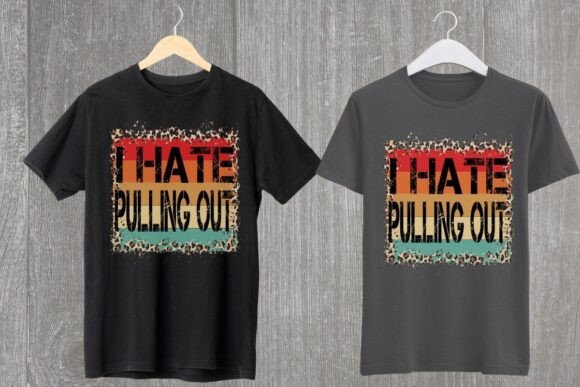
The first thing that strikes me about this piece is its mood. The "Retro" descriptor in the title isn't just fluff; the typography and layout suggest a vintage aesthetic that feels right at home on a worn-in sweatshirt or a structured tote bag. When I visualize this as an embroidery project, I see strong potential for bold satin stitches outlining the lettering, perhaps paired with a textured fill stitch for the background elements to give it that authentic, handmade feel. However, because the source file provided is a Graphics file (specifically a 300 dpi PNG with a size of 4500 pixels) rather than a pre-digitized embroidery file, the responsibility falls on us, the makers, to interpret how these lines translate into thread.
Visualizing the Stitch-Out in Real Scenarios
Let's get practical. Imagine you are preparing a custom order for a local boutique that specializes in quirky, statement custom apparel. They want a run of oversized hoodies featuring this specific phrase. The Retro I Hate Pulling out POD T-Shirt design has a visual personality that screams comfort and humor, making it an ideal candidate for sweatshirt embroidery. The high resolution of the source file means that if you were to trace this for digitization, you would have plenty of detail to work with, ensuring clean edges and precise corners.
I also see this working beautifully as an embroidered patch. If you digitize this with a merrowed edge border, it becomes a versatile accessory that customers can iron onto jackets or backpacks. This approach bypasses some of the challenges of stitching directly onto difficult fabrics. For those running an Etsy seller shop focused on handmade product lines, offering this as a patch could be a smart way to expand your inventory without worrying about garment compatibility. The phrase itself is relatable and funny, which often translates well to social media shares and increased buyer engagement for small business owners.
Another strong use case is holiday embroidery or gift-giving. Picture this design stitched onto a heavy canvas apron for a chef friend, or perhaps on a kitchen towel where the retro vibe complements a mid-century modern kitchen. The clarity of the original 4500-pixel file ensures that even when scaled down for smaller items like a baby onesie—making it a cute piece of baby embroidery—the integrity of the letters remains intact, provided the digitization respects the scale.
Technical Considerations and Fabric Challenges
Here is where we need to be realistic. Since the product description specifies you receive one PNG file, this is not a plug-and-play digital embroidery file ready for your machine. You cannot load a PNG directly into most embroidery hoops. This distinction is crucial for crafters who might be new to the difference between print graphics and stitch files. To use this for commercial embroidery, you must first digitize it or hire a digitizer to convert the graphic into a stitch format compatible with your machine.
When planning this conversion, pay close attention to stitch density. Retro fonts often have thick, blocky characteristics. If you fill these areas too densely, especially on stretchy fabrics like t-shirts or thin materials, you risk causing significant puckering. I recommend testing the design on scrap fabric first. Try different combinations of thread colors against the fabric background. A high-contrast look might be striking, but ensure the thread doesn't get lost in the texture of the material.
Fabric choice is paramount. For a tote bag design, you have the luxury of using sturdy canvas or twill, which can handle heavier stitch counts and larger hoop size requirements. However, if you attempt this on a curved surface like a cap, you will need to be very careful with underlay stitches and stabilizer selection. A poor choice of stabilizer on a cap could lead to the design shifting or the fabric collapsing around the dense lettering. Similarly, for dark fabrics, you may need to adjust your digitizing strategy to include a light-colored underlay to prevent the garment color from showing through the stitches, altering the intended retro look.
Maximizing Value and Professionalism
The ultimate goal for any creative entrepreneur is to deliver a finished product that builds customer trust. Using a high-quality source image like the Retro I Hate Pulling out POD T-Shirt gives you a solid foundation. When customers see crisp, clean stitching with no loose threads or distorted shapes, it reflects professionalism and enhances your brand consistency. Whether you are creating printable mockup images for your online store or showcasing physical items at a craft fair, the quality of the underlying design matters.
This design also holds value for those selling personalized gift items. The humorous nature of the text makes it a conversation starter, increasing the likelihood of repeat business. However, always confirm licensing terms before selling. While the description mentions printing for T-shirts, mugs, and stickers, using the image as a basis for a digitized embroidery pattern for resale may require specific permissions. Always check the license details provided by the creator to ensure you are compliant, especially if you plan to sell the design assets themselves or the physical embroidered goods commercially.
In conclusion, while the Retro I Hate Pulling out POD T-Shirt starts as a graphic for print, its robust resolution and strong visual identity make it a prime candidate for adaptation into the world of thread. With careful digitization, the right choice of fabric texture, and a thoughtful approach to stitch types like satin stitch or running stitch for details, this design can elevate a simple garment into a standout piece of wearable art. Just remember to test, stabilize, and verify your rights before you start stitching for profit.