Retro Crazy Cat Lady SVG: A Designer's Review
As someone who spends more time staring at stitch maps than most people spend watching television, I approach every new machine embroidery design with a healthy dose of skepticism. We have all been there: you buy a cute graphic online, load it onto your machine, and halfway through the run, you realize the density is too high for the fabric or the details are so tiny they will vanish under a standard needle. That is why I took a close look at the Retro Crazy Cat Lady Svg Sublimation file set before committing it to a client project. While this product is marketed primarily as a sublimation asset for T-Shirt Designs, my job is to see if it holds up when translated into thread for a tangible handmade product.
First Impressions: Mood and Visual Personality
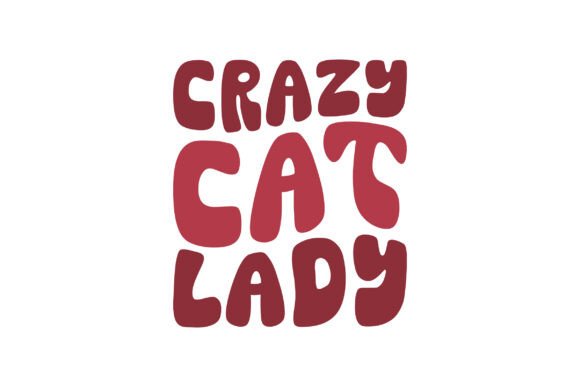
The moment I opened the files, the retro vibe hit me immediately. There is a specific charm to mid-century aesthetics that translates surprisingly well into embroidery, provided the lines are clean. The Retro Crazy Cat Lady Svg Sublimation features bold shapes and a playful layout that screams personality. It isn't just a generic cat silhouette; it has character. For an embroidery designer, this visual personality is crucial because it dictates where the design belongs. This isn't a subtle, tonal piece for a corporate polo. This is a statement piece meant for a boutique tote bag, a quirky apron, or a sweatshirt that starts conversations at coffee shops.
The composition feels balanced, with a central figure surrounded by thematic elements that suggest movement and fun. When evaluating Graphics like this for conversion to stitch, I look for clear separation between elements. Fortunately, the vector-based nature of the SVG, EPS, and DXF files included in the package means the paths are editable. This is a massive plus. It allows me to simplify complex areas if I plan to use satin stitches or adjust the scale without losing resolution, ensuring the final embroidery project looks crisp rather than muddy.
Real-World Application: The Tote Bag Test
To truly gauge the viability of this design, I imagined a specific real-life scenario: creating a custom order for a local craft fair. The client wanted a series of eco-friendly tote bags featuring unique, humorous designs for cat lovers. The Retro Crazy Cat Lady Svg Sublimation seemed like the perfect candidate. However, moving from a digital screen to a textured canvas tote requires careful planning.
If I were to digitize this specifically for embroidery based on these source files, the bold outlines would work beautifully as a running stitch or a narrow satin stitch border. The larger fill areas could handle a standard fill stitch, but here is where experience comes in. On a tote bag, which often has a looser weave than quilting cotton, stitch density becomes critical. If the original sublimation design has intricate gradients or very fine lines, those might need to be thickened slightly in the digitizing software to prevent the fabric from showing through or the threads from breaking during wear.
For a sweatshirt embroidery project, this design would shine even brighter. The fleece or French terry fabric provides a plush background that makes the retro colors pop. I can envision this centered on the chest of a crewneck, perhaps paired with a monogram underneath. The "crazy cat lady" theme resonates deeply with a specific demographic, making it a high-value item for an Etsy seller looking to niche down their inventory. Customers aren't just buying a shirt; they are buying an identity, and this design captures that spirit perfectly.
Navigating Fabric Challenges and Hoop Limitations
While the design is strong, no digital embroidery file is universal. There are situations where you need to proceed with caution. If you are attempting to stitch this onto a cap, the curved surface presents a challenge. The horizontal width of the design might exceed standard cap hoop limits, or the distortion caused by the curve could warp the cats' faces. In such cases, I would recommend scaling the design down significantly or choosing a different placement, like the side panel.
Similarly, textured fabrics like heavy linen or waffle weave can obscure fine details. If the Retro Crazy Cat Lady Svg Sublimation includes tiny whiskers or small text elements, these might get lost in the texture of the fabric. In these instances, switching to a darker thread color for high contrast or using a heavier weight thread can help define the shapes. Also, consider the stabilizer. For stretchy fabrics like jersey knits used in custom apparel, a cut-away stabilizer is non-negotiable to prevent the design from puckering after the first wash. Since this design likely appeals to people who want comfortable, wearable art, ensuring the finish remains flat and professional is key to customer trust.
Commercial Viability and Brand Consistency
For those running a craft business, consistency is everything. Using a design like this across multiple products—pillow covers, tea towels, and patches—creates a cohesive brand identity. The retro style is trendy right now, but it also has a timeless quality that won't feel dated in six months. This longevity increases the return on investment for your time and materials.
However, before listing finished items, you must verify the licensing terms. The product description mentions "100 editable file" and various formats like SVG, EPS, DXF, PDF, and PNG, but it cuts off before explicitly detailing commercial rights for physical goods versus digital resale. As a professional, I always advise checking the full license agreement. Can you sell the stitched item? Can you sell the digitized embroidery file derived from this SVG? These distinctions protect your small shop product line from legal headaches. Assuming the license permits commercial use for physical goods, this design is a goldmine for holiday gifts, birthday surprises, or self-care treats.
Practical Notes for the Embroiderer
Before you hooping up your machine, here are a few practical steps I recommend when working with source files like the Retro Crazy Cat Lady Svg Sublimation:
- Test on Scrap First: Always stitch a sample on the same fabric type you intend to use for the final product. This reveals issues with tension or density early.
- Check Color Contrast: Sublimation files often use vibrant, neon, or pastel palettes. Ensure your thread colors maintain enough contrast against your fabric choice so the design doesn't look washed out.
- Review Stitch Density: If you are digitizing this yourself, avoid over-saturating the fabric. Too many layers of thread can make the garment stiff and uncomfortable.
- Inspect Small Details: Zoom in on the vector paths. Are there nodes that are too close together? Simplify them to ensure smooth stitching.
- Mockup Verification: Create black and white mockups to see how the design reads without color. If it loses its shape in grayscale, it might need simplification.
- Stabilizer Selection: Match your stabilizer to the fabric weight. A heavy design on a light fabric requires robust support to prevent sagging.
In conclusion, the Retro Crazy Cat Lady Svg Sublimation offers a fantastic foundation for creative entrepreneurs. Its bold lines and nostalgic feel make it adaptable for everything from a simple embroidered patch to a full-back jacket design. By understanding its strengths and respecting the limitations of different fabrics and hoops, you can turn this digital asset into a stunning finished product that customers will love. Whether you are a hobbyist making gifts for friends or an Etsy seller building a brand, this design has the potential to be a standout star in your collection, provided you approach it with the eye of a seasoned maker.