Skull Graffiti Urban Streetwear Design Review
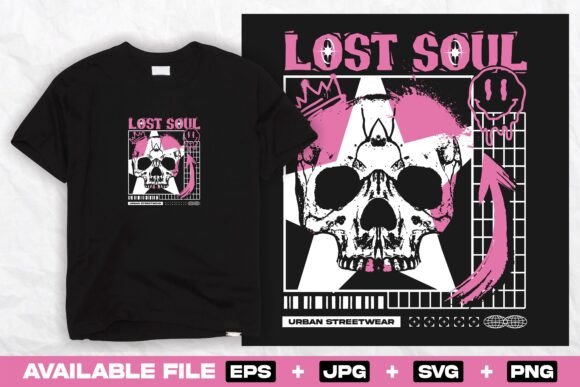
When I first pulled up the Skull Graffiti Urban Streetwear Design on my screen, I didn't just see a graphic; I saw a potential best-seller for the upcoming fall season. As someone who spends more time staring at stitch simulations than most people spend watching TV, my immediate reaction was to analyze how this "Lost Soul" slogan and grunge skull would translate from a digital vector into a tangible, stitched reality. This isn't just another clipart image; it is a bold statement piece that demands the right fabric and the right execution to truly shine.
The mood here is unmistakably edgy. The combination of a grunge-style skull with urban typography creates a vibe that fits perfectly into the current streetwear trend. For embroidery designers and small business owners, this kind of aesthetic is gold. It appeals to a demographic that values individuality and raw expression. However, translating a design described as having "100 vector shapes" into a machine embroidery design requires a critical eye. While the product description highlights its versatility for T-shirt designs and hoodies, we need to dig deeper into how this actually performs under the needle.
Visual Impact and Stitching Reality
The first thing that stands out is the layout. The integration of the "Lost Soul" text with the skull suggests a balanced composition, but in embroidery, balance often depends on stitch density. Grunge effects can be tricky; if the digitizer relies too heavily on tiny, scattered running stitches to create that worn look, you might end up with a messy finish on textured fabrics. Conversely, if the design utilizes solid fill stitches for the skull's core and satin stitch for the lettering outlines, it could result in a crisp, high-contrast look that pops.
I imagine placing this on a heavy-weight cotton hoodie. The structure of the sweatshirt fabric would support the density of a skull motif well, preventing the design from sinking into the fibers. For a custom apparel line, this design offers excellent visual appeal. The "urban style" implies a certain roughness that forgives minor imperfections, which is a relief for production runs where consistency is key. However, if you are planning to use this as an applique design, you would need to ensure the vector shapes align perfectly with your fabric cut-outs, or the grunge effect might get lost.
Real-World Application: The Custom Tote Scenario
Let's walk through a specific real-life scenario. Imagine a client approaches your craft business wanting a limited run of tote bags for a local music festival. They want something that screams "underground" but still looks professional. The Skull Graffiti Urban Streetwear Design is a strong contender here. A canvas tote bag provides a stable, flat surface that is ideal for this type of graphic.
In this scenario, the "Easy to modify" feature mentioned in the product details becomes crucial. You might need to swap the standard black thread for a deep charcoal or even a muted olive to match the festival's branding. Because the design is built from vector shapes, recoloring should be straightforward in your editing software. However, before committing to the full batch, I would strongly advise stitching a test on a scrap piece of the same canvas. Check how the thread colors interact with the natural tone of the bag. Sometimes, a design that looks fierce on a white background can lose its definition on beige or dyed fabric.
If the stitching holds up, this finished product could easily become a staple in an Etsy seller's shop. The "Lost Soul" slogan adds a narrative element that customers love—it's not just a skull; it's a mood. This emotional connection drives buyer engagement and can justify a higher price point for your handmade product.
Navigating Fabric Challenges and Hoop Sizes
While this design shines on sturdy materials like denim, canvas, or fleece, caution is required when dealing with trickier surfaces. If you attempt this on a thin, stretchy t-shirt, the stitch density of a detailed skull could cause puckering. In such cases, using a high-quality cut-away stabilizer is non-negotiable. You need to ensure the fabric doesn't distort under the weight of the threads.
Another consideration is the hoop size. Although the description notes the design is resizable, you must confirm that the smallest version of the design still retains enough detail to be recognizable. Shrinking a complex grunge skull too much might turn those intricate vector shapes into a blob of thread. Always check the minimum recommended dimensions before offering it as an option for small items like baby clothes or pocket logos on caps.
Curved surfaces present their own set of challenges. Applying this to a structured cap requires careful positioning. The "urban" feel works well on headwear, but the curvature can distort the straight lines of the "Lost Soul" text if not hooped correctly. For embroidered patch creation, this design is likely ideal, as patches allow you to manage the backing and stabilizer independently before attaching them to the final garment.
Commercial Viability and Brand Consistency
For those looking to expand their catalog of design assets, the commercial potential here is significant. Streetwear is a massive market, and having a versatile graphic that can be adapted for sweatshirt embroidery, tote bag design, or even home decor like pillow covers gives you flexibility. However, professionalism is paramount. A sloppy stitch job on a grunge design looks like a mistake, not a style choice. Ensuring clean trims and proper tension is essential to maintain brand consistency.
When creating printable mockups for your online store, remember that the digital representation of this Graphics file might look sharper than the stitched version. Manage customer expectations by showing close-up photos of the actual texture of the thread. This transparency builds customer trust. Buyers appreciate knowing exactly what the personalized gift or item they are purchasing will look like in person.
Final Designer Notes and Recommendations
Before you integrate the Skull Graffiti Urban Streetwear Design into your workflow, here are a few practical steps to take:
- Test on Scrap Fabric: Always run a sample on the exact material you plan to use for the final product to check for puckering or thread breaks.
- Check Thread Contrast: Ensure your chosen thread colors stand out against the fabric, especially if working with dark garments where the grunge details might vanish.
- Verify Licensing: Since this is intended for commercial use, double-check the specific license terms regarding the number of physical items you can sell versus digital redistribution.
- Inspect Small Details: Zoom in on the vector shapes to see if there are any tiny isolated areas that might be difficult to stitch without manual intervention.
- Stabilizer Selection: Match your stabilizer to the fabric weight; heavier designs need stronger support to prevent sagging over time.
In conclusion, this design offers a compelling mix of attitude and versatility. It fits naturally into the world of commercial embroidery and small shop products where character counts. Whether you are creating a holiday embroidery gift for a rebellious teen or stocking your boutique with edgy custom apparel, the "Lost Soul" motif has the potential to resonate. Just remember that the quality of the final output rests in your hands—your choice of materials, your machine settings, and your attention to detail will determine whether this design becomes a mediocre mark or a standout piece of art.