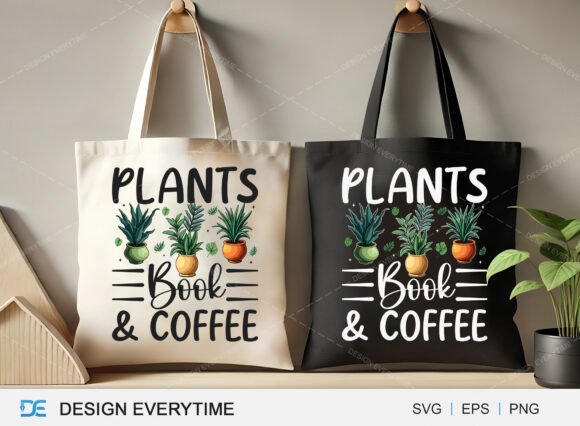
Review: Garden Gangster Tote Bag Design for Embroidery
As a designer who spends more time staring at stitch simulations than actual sunlight, I am always skeptical when a new file lands in my inbox labeled as a "design asset." Too often, what looks sharp on a screen turns into a bird's nest of thread breaks and puckering once it hits the hoop. However, after spending the last week evaluating the Garden Gangster Tote Bag Design, I have some genuine thoughts on how this graphic translates from a digital T-Shirt Designs category listing to a tangible, stitched reality.
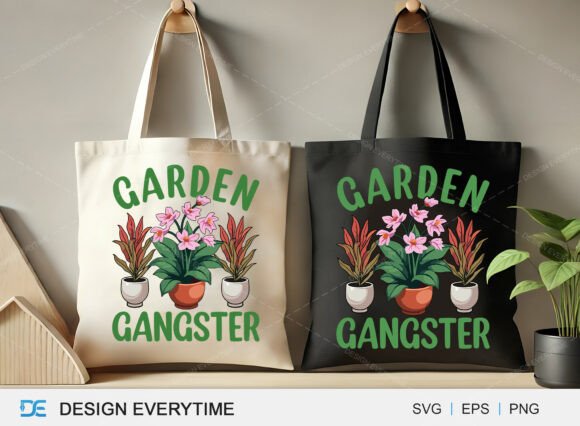
The first impression of this design is its bold, high-contrast personality. The concept of a "garden gangster" immediately suggests a playful juxtaposition—tough attitude meets delicate flora. Visually, the black and white versions provided offer a clean, graphic aesthetic that relies heavily on shape and negative space rather than complex shading. For an embroidery project, this is often a win. Complex gradients can be a nightmare to digitize well, but strong silhouettes usually translate beautifully into satin and fill stitches. The mood is quirky yet sophisticated, making it a perfect candidate for boutique branding or personalized gifts that need to stand out without screaming for attention.
Real-World Application: The Custom Tote Test
To truly understand the value of this Garden Gangster Tote Bag Design, I didn't just look at the preview images; I simulated a real client order. Imagine a local farmer's market vendor who wants branded merchandise that reflects their organic, slightly edgy vibe. They need a tote bag that customers will actually want to carry around town, not just use once for groceries. This is where the design shines.
The layout of the graphic is compact enough to fit comfortably on a standard tote panel without overwhelming the fabric. When I visualized this as a tote bag design, the thick lines and clear boundaries suggested that it would hold up well against the texture of canvas or heavy cotton twill. Unlike fine-line illustrations that get lost in the weave of a bag, this graphic has the visual weight necessary to make a statement. If you are an Etsy seller looking to expand your small shop product line beyond simple text-based items, this kind of character-driven Graphics asset is exactly what builds brand recognition.
Beyond totes, I could see this working exceptionally well as a chest patch on a denim jacket or as a central motif on a heavyweight sweatshirt. The "gangster" theme pairs naturally with streetwear aesthetics. For custom apparel decorators, the versatility here is key. You aren't locked into one specific garment type; the design's strong identity allows it to adapt to various handmade products, from aprons for a trendy café to pillow covers for a modern nursery with a unique twist.
Technical Considerations for Stitching
Now, let's talk about the nitty-gritty of turning these files into a finished product. The product description notes that you receive SVG, EPS, and PNG files. It is crucial to understand that these are vector and raster image files, not pre-digitized machine embroidery design files like PES or DST. This is a common point of confusion. As a professional, my immediate advice is to take these high-resolution digital embroidery file sources (specifically the 4500×5400 PNGs or the scalable SVGs) to your preferred digitizing software.
Because the source art is so clean, the digitizing process should be straightforward. When converting this to an embroidery file, pay close attention to stitch density. The black areas will likely require a solid fill stitch. If you are stitching on a stretchy fabric like a jersey t-shirt, you must ensure your underlay is robust enough to prevent the design from pulling the fabric inward. For a sweatshirt embroidery project, the loopback fleece provides a great foundation, but you still need to watch out for excessive bulk in the dense black regions.
If you plan to create an embroidered patch using this design, the high contrast works in your favor. A merrowed edge around the design would frame the "gangster" character perfectly. However, be mindful of small details. If the original graphic includes tiny thorns or small facial features on the character, these might need to be simplified or converted to a satin stitch column rather than a fill to maintain clarity at smaller sizes. Always test the design on scrap fabric first. Check how the thread colors interact with your base material; pure black thread on a navy bag might look muddy, so consider using a charcoal or ensuring your stabilizer prevents show-through.
Fabric Choices and Placement Strategy
The success of any embroidery project hinges on the relationship between the design and the substrate. With the Garden Gangster Tote Bag Design, you have the freedom to experiment, but caution is advised with certain materials. On textured fabrics like linen or waffle weave, the crisp edges of the design might appear slightly jagged if the stitch count isn't high enough. In these cases, a heavier cut-away stabilizer is non-negotiable to keep the shapes defined.
For those considering this for baby embroidery, perhaps on a onesie or a burp cloth, scale is everything. The original design might be too large or detailed for a small garment. You would need to resize it significantly, which brings us to the importance of the vector SVG files included. These allow you to scale the artwork up or down without losing quality before you even begin the digitizing process. Just remember that shrinking the design too much can turn distinct features into a blob of thread, so verify the minimum viable size by stitching a test run.
Curved surfaces present another challenge. If you are applying this to a cap, the front panel's curve can distort wide designs. The Garden Gangster Tote Bag Design appears to have a relatively vertical orientation, which is generally safer for hats than wide, horizontal layouts. Still, always hoop your cap correctly and use a top stabilizer to prevent the needle from pushing the fabric into the gaps of the design, which causes registration issues.
Commercial Viability and Brand Value
From a business perspective, incorporating this design into your catalog can significantly boost your craft business appeal. Customers today are looking for personality. A generic floral tote is forgettable; a "Garden Gangster" tote tells a story. This narrative quality increases the perceived value of your personalized gift offerings. It suggests that the maker has a curated eye for trends and humor.
When creating printable mockup previews for your online store, the high-resolution PNGs provided (300 DPI) are excellent assets. They allow you to generate realistic product photos without needing to stitch every single sample immediately. This saves time and resources while you gauge customer interest. However, never sell the digital files themselves unless the license explicitly permits it. Typically, these purchases are for creating physical commercial embroidery goods. Always double-check the licensing terms provided by the creator to ensure you are compliant when selling finished items.
In conclusion, the Garden Gangster Tote Bag Design is a robust starting point for creative entrepreneurs. Its strength lies in its graphic simplicity and thematic charm. While it requires the extra step of professional digitizing to become a true machine embroidery design, the quality of the source design assets makes that process much smoother. Whether you are outfitting a team, stocking an Etsy shop, or making a unique holiday gift, this design offers the kind of visual punch that turns heads and sparks conversations. Just respect the technical limits of your machine and fabric, and you will end up with a product that feels as tough and stylish as the character itself.