Dad to Be Loading: A Designer's Review for Embroidery Projects
As a designer who spends more time staring at stitch simulations than most people spend on their actual hobbies, I approach new design assets with a healthy dose of skepticism. We have all seen those cute graphics that look perfect on a screen but turn into a thread-breaking nightmare once they hit the hoop. That is why I took a close look at the Dad to Be Loading design before committing it to any client projects or personal handmade products. This isn't just a quick scan; this is a practical evaluation of how this graphic translates from a digital file to a tangible, stitched reality.
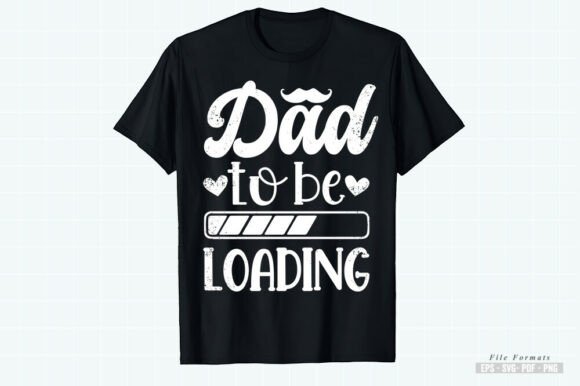
The first impression of Dad to Be Loading is undeniably charming. It captures that specific moment of anticipation—the "loading bar" concept is a modern, tech-savvy way to announce a pregnancy or celebrate an upcoming fatherhood journey. Visually, it strikes a balance between playful and clean. For an embroidery project, this simplicity is often where the magic happens. Complex gradients and tiny details that work in print can get lost in thread, but the bold lines and clear typography here suggest a design that will read well even from a distance. The mood is lighthearted, making it an ideal candidate for baby showers, gender reveals, or a thoughtful personalized gift for a friend expecting their first child.
Real-World Application: From Screen to Stitch
Let's move beyond theory and talk about where this design actually shines. I recently considered using Dad to Be Loading for a custom order involving a set of matching family sweatshirts. The client wanted something subtle for the dad-to-be that wasn't as loud as a full-frontal graphic tee. Because this design functions as a Print Template and Graphics asset, the initial layout is versatile. However, translating this to sweatshirt embroidery requires some strategic thinking.
The "loading bar" element is the star of the show. In a real machine embroidery design, this would likely translate beautifully into a combination of fill stitch for the bar itself and perhaps a satin stitch for the outline or the text. On a heather grey fleece, a navy blue or forest green thread would pop nicely without looking juvenile. I could also see this working exceptionally well as an embroidered patch. If you digitize this correctly, placing it on a twill backing and stitching it onto a denim jacket or a canvas tote bag design would create a durable, high-value item. Patches are huge right now for small shop products, and this motif fits the "modern parent" aesthetic perfectly.
For Etsy sellers and craft business owners, the versatility extends to home decor. Imagine this stitched onto a neutral linen pillow cover for a nursery. The linear nature of the loading bar complements the geometric trends currently popular in baby decor. It is less about frills and bows and more about a cool, contemporary vibe. Whether you are creating holiday embroidery for a Christmas reveal or a standalone baby embroidery piece for a shower gift, the theme is evergreen enough to work year-round.
Technical Considerations and Fabric Challenges
While the concept is solid, a professional reviewer must address the technical hurdles. Since Dad to Be Loading originates as a printable graphic, it is not inherently an embroidery file ready for your machine. If you are planning to use this for commercial embroidery, you must ensure you have the rights to digitize it or that a compatible digitized version is available. Assuming you are moving forward with digitization or adapting a provided file, pay close attention to stitch density.
The text "Dad to Be" needs to be legible. If the font is too thin, it might disappear on textured fabrics like terry cloth towels or thick knit sweaters. Conversely, if the loading bar is too dense, it could cause puckering, especially on stretchy materials. When working on custom apparel like t-shirts, always test your stabilizer choice. A cut-away stabilizer is usually safer for garments that will be washed frequently, ensuring the design doesn't warp over time. For a cap or hat, the curved surface adds another layer of complexity. The horizontal nature of the loading bar is generally good for caps, but you must ensure the underlay is sufficient to prevent the fabric from showing through the stitches.
Be cautious with dark fabrics. If the original graphic relies on white space or light colors, you may need to adjust your thread colors significantly to maintain contrast. A black shirt with black text won't work unless you are going for a tonal, textured look, which is risky for readability. Always run a test stitch-out on scrap fabric that matches your final product's weight and texture. This simple step saves hours of frustration and protects your reputation as a maker.
Building Brand Value and Customer Trust
In the world of handmade goods, the finished product speaks volumes about your brand. Using a well-executed design like Dad to Be Loading can enhance your brand consistency if your shop focuses on modern, witty, or family-oriented items. Customers appreciate clarity and quality. A design that stitches out cleanly, with no loose threads or gaps, builds immediate trust. It tells the buyer that you care about the details.
Furthermore, the "loading" theme resonates with a specific demographic—millennial and Gen Z parents who appreciate internet culture references. By offering this on high-quality items like organic cotton onesies or premium canvas totes, you elevate the perceived value. It moves the item from a generic craft fair find to a boutique-quality keepsake. For digital product sellers, providing high-resolution printable mockups of this design on various products can help customers visualize the end result, increasing engagement and sales.
Final Verdict and Practical Tips
Ultimately, Dad to Be Loading is a strong contender for your next project lineup, provided you handle the technical execution with care. It offers a fresh take on traditional pregnancy announcements and has broad appeal across different product categories, from apron designs to nursery wall art.
Before you start stitching, keep these practical notes in mind:
- Check Licensing: Since this is sold as a printable template, verify if the license allows for commercial use of the stitched成品 (finished product) or if you need to purchase a separate commercial embroidery license.
- Digitize with Purpose: If converting from a graphic, ensure small details aren't lost. Simplify complex shapes for better stitch flow.
- Test Contrast: View your design in black and white to ensure the elements stand out against each other before selecting thread.
- Hoop Size Matters: Confirm the design fits within your available hoop sizes, especially if you plan to offer it on smaller items like socks or bibs.
- Fabric Selection: Avoid overly fuzzy fabrics where the fine lines of the "loading" bar might get swallowed up.
By treating Dad to Be Loading not just as a cute image but as a structural component of a larger product strategy, you can create items that delight customers and stand the test of time. Whether you are an experienced Etsy seller or a hobbyist making gifts for loved ones, this design offers a fantastic opportunity to blend humor with heartfelt craftsmanship.